Lime, not cement
The single most common way a well-meant repair destroys the thing it was meant to save.
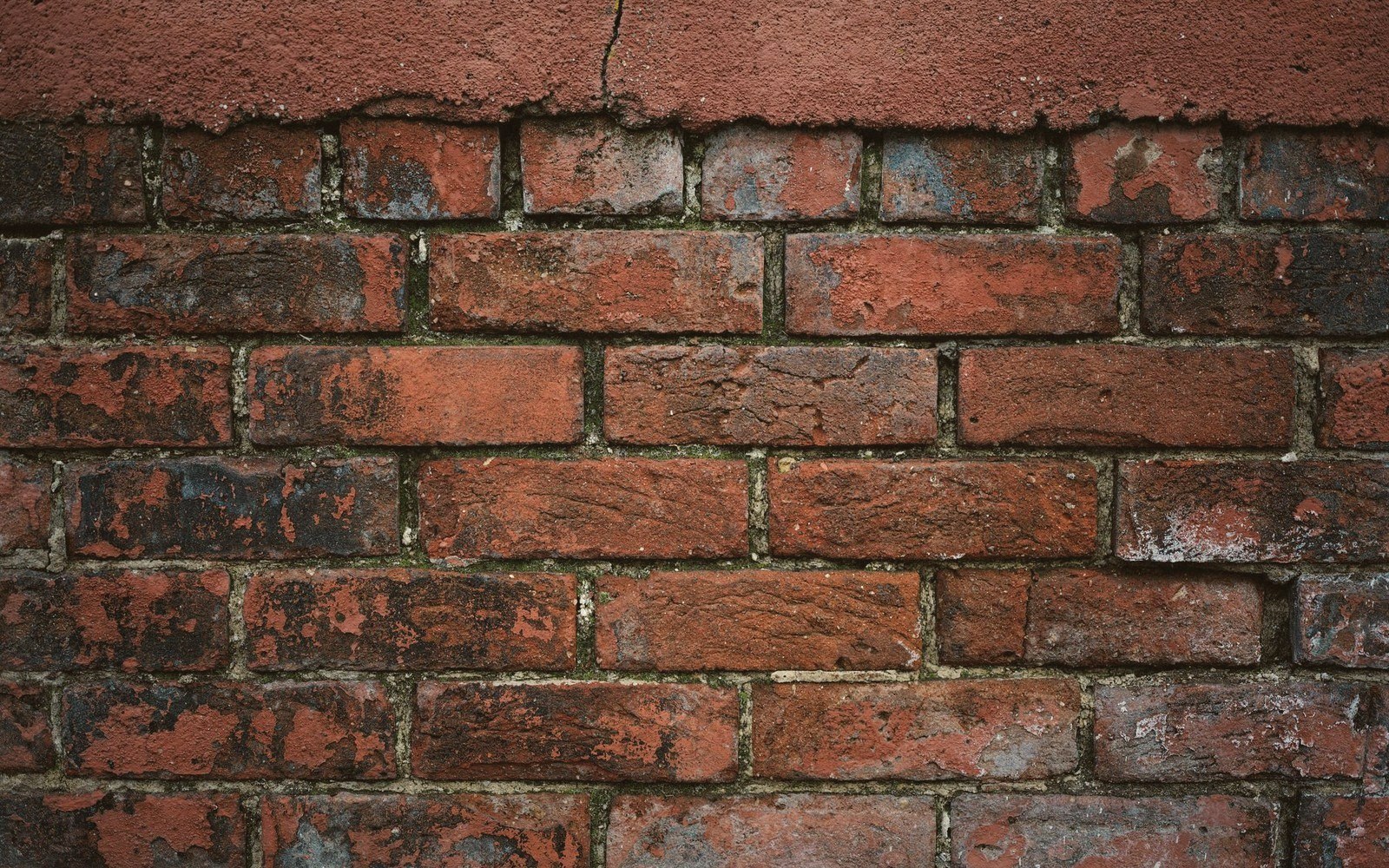
Cement sets harder than the stone it is packed around, so the wall cracks through the units instead of the joints.
Photo: Brett Sayles / Pexels
What cement does to an old wall
Old masonry is not static. Stone and brick expand in summer heat and contract in winter cold; they flex, almost imperceptibly, with each cycle. The mortar between them is not glue — it is the sacrificial element, softer than the units it joins, designed to absorb that movement and eventually to be raked out and replaced. Traditional lime mortar does this. Portland cement does not.
Cement sets harder than most of the stone and brick it is packed around. When the wall moves — and it will — something has to give, and it is no longer the mortar joint. Cracks run instead through the masonry units themselves. Water gets in at those cracks, freezes, and levers the face off the stone. The repair that looked solid on the day it was finished is, in the medium term, destroying the original fabric it was meant to protect.
The damage is so common, and so commonly misread as simple age or weathering, that it is worth being precise about the mechanism. Lime mortar is also permeable: moisture that enters a wall can migrate to the surface and evaporate. Cement traps it. Salts crystallise behind the render, and the face of the stone spalls away in sheets. Walk around any European town of the nineteenth or early twentieth century — the period when Portland cement became cheap and universal — and you will find this damage on nearly every block that was ever repointed with good intentions.
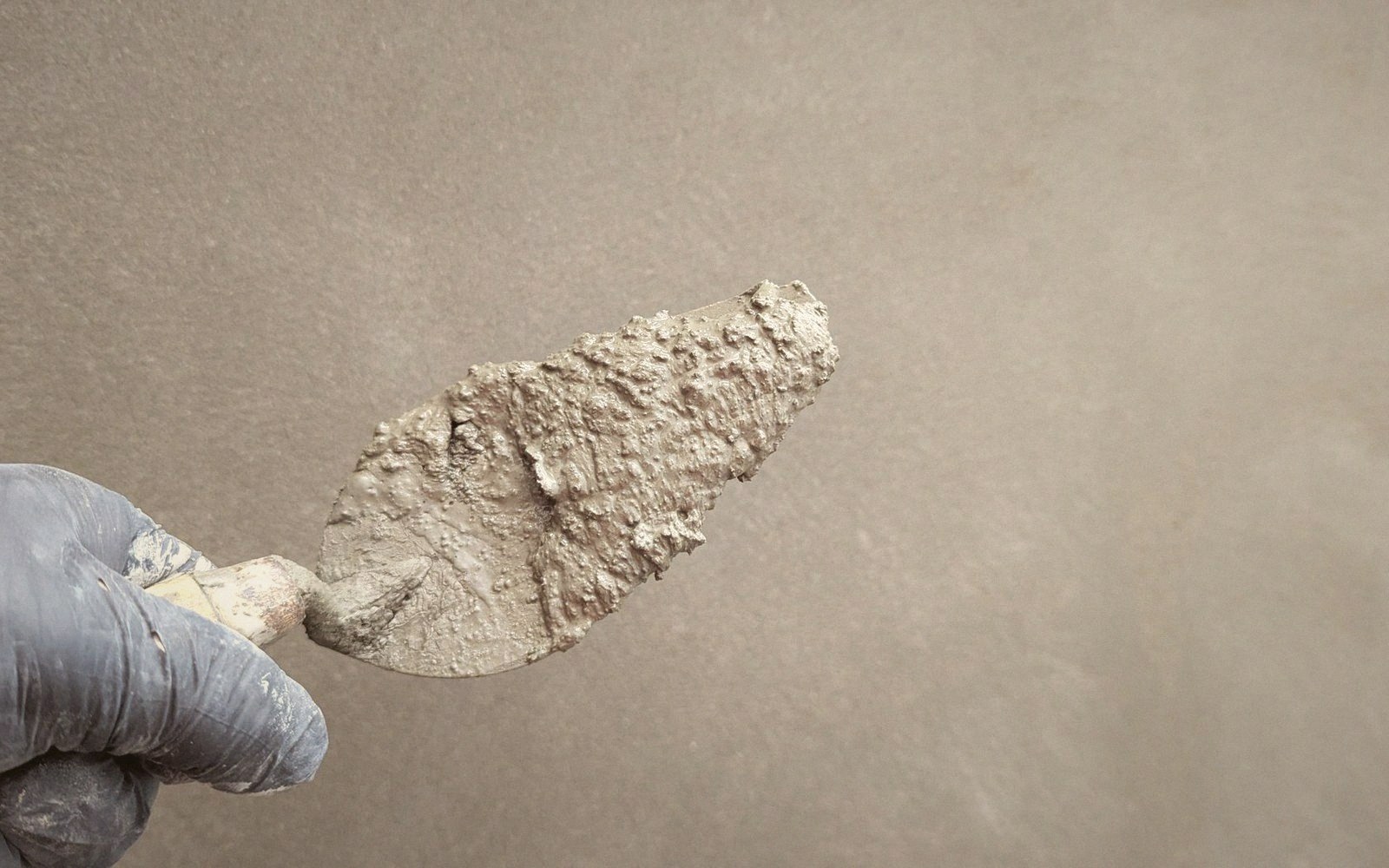
Lime is floated on in thin coats and left to carbonate over months. The slowness is the method, not a defect in it.
Photo: David Antonio Cruz Naira / Pexels
Lime and how it works
Lime mortar is made from burnt limestone — calcium carbonate driven in a kiln to calcium oxide, slaked with water to calcium hydroxide, and then mixed with an aggregate. It sets partly by drying and partly by carbonation: the paste slowly reabsorbs carbon dioxide from the air and reverts, over months, to calcium carbonate. The process is slow, which is why a lime job done properly takes longer and costs more than a cement repair; it is also why lime mortar remains slightly flexible rather than becoming rigid.
There are distinctions within lime itself that matter in practice. Non-hydraulic lime — fat lime, set only by carbonation — is the most flexible and most permeable, suited to interiors and soft, porous stone. Hydraulic lime contains clay minerals that cause a partial set on contact with water; it is stronger and more weather-resistant, used for exteriors and for joints under sustained load. Natural hydraulic limes are graded by their hydraulic index, and choosing the wrong grade for the situation produces problems of its own: a lime too strong for a soft rubble-stone wall will lock the joints and cause the same kind of failure as cement, on a smaller scale.
Getting the aggregate right matters equally. Historically, masons worked with local sand; its grain size, shape and colour were what gave regional vernacular buildings their texture and tone. A repointing job that uses a sharp modern builder's sand on a wall originally laid in rounded river sand will look wrong, shed water differently and weather at a different rate.
The repair that needs to fail first
The key concept in conservation maintenance is that the mortar joint is a consumable. It is supposed to weather. Inspecting it, raking out what has failed and repointing with a compatible lime mix is not a sign that something has gone wrong — it is the normal maintenance cycle of a masonry building, which might recur on any given face every forty or fifty years.
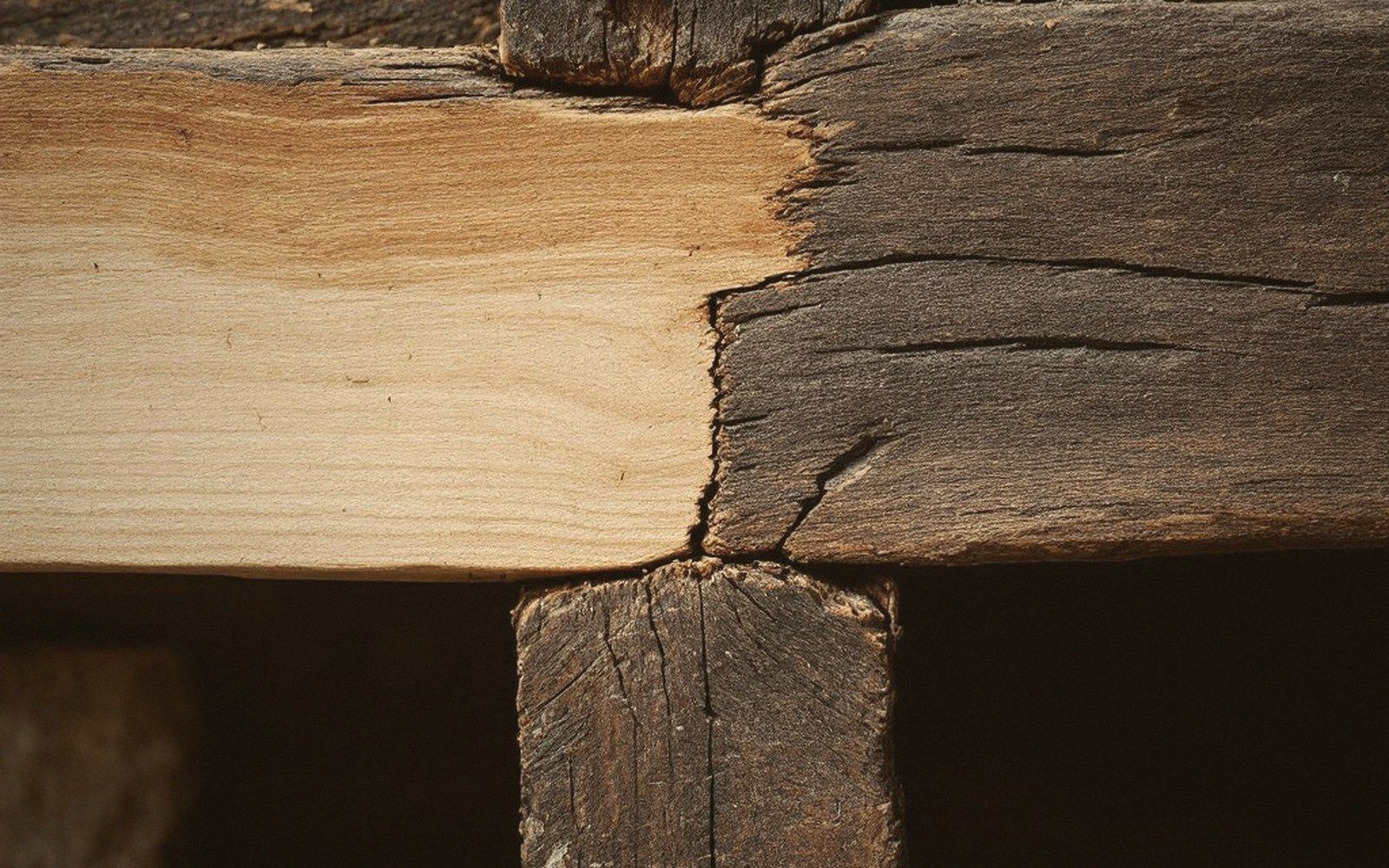
A scarf joint lets new timber into an old beam instead of replacing it. The new wood is left pale so the repair stays readable.
This is the point that most non-specialists, and a significant number of builders, have not absorbed. Cement's cultural hold is almost total: it reads as strength, permanence, completion. Lime reads as compromise. The reality is the other way round. The wall built in lime and maintained in lime can stand for centuries; the wall repointed in cement will need corrective conservation within a generation, at a cost far exceeding what the original lime repair would have run.
The mortar is meant to fail so that the stone does not have to.
Filed in Hand