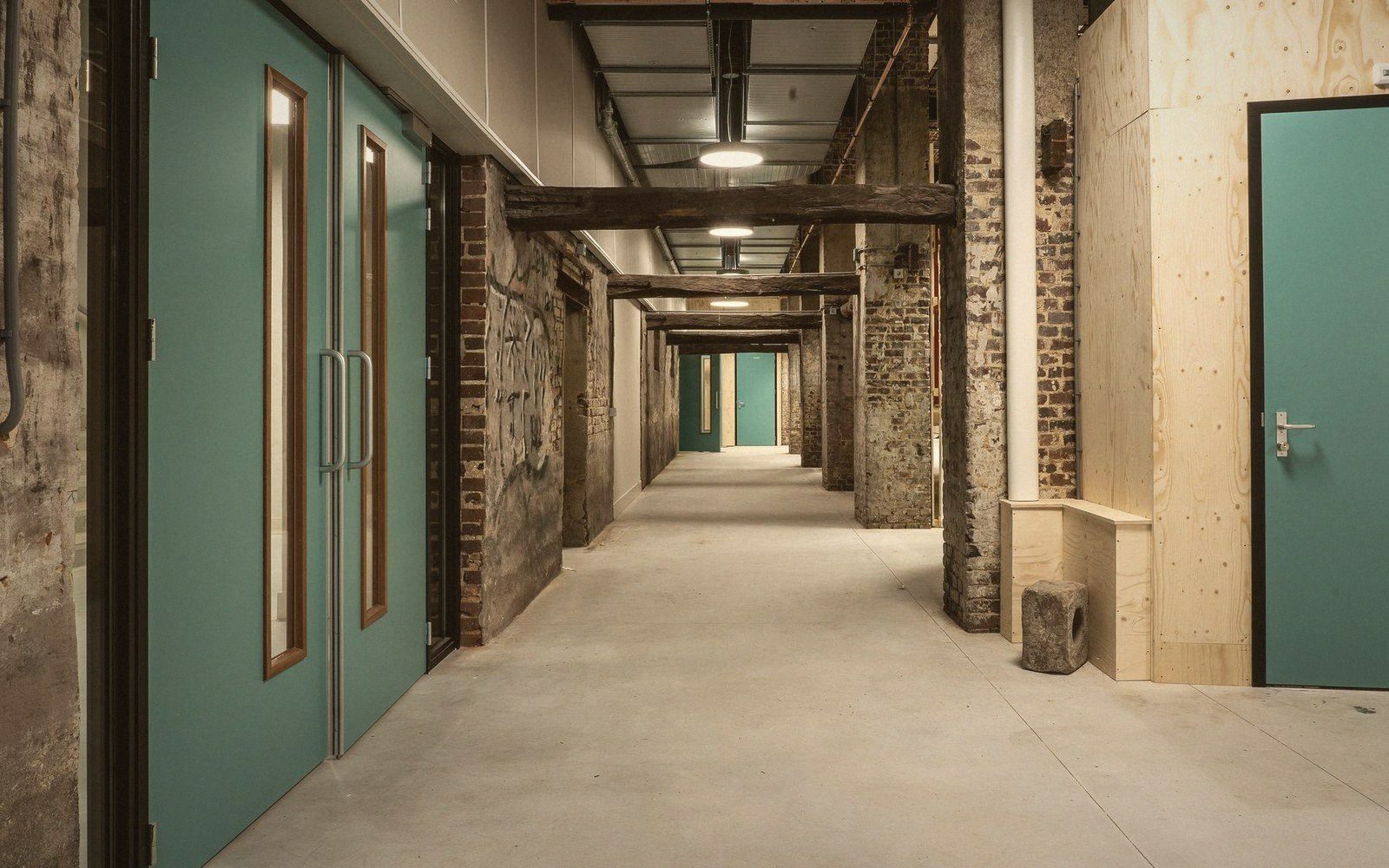
The adapted building
When a mill becomes a gallery or a power station becomes a concert hall, every decision concentrates at the join between old fabric and new use.
Art and heritage across Europe, and the culture around it.
The Mystic Lamb: a polyptych in Ghent that has been stolen, split, hidden, faked and restored — and is still missing one panel.
Read the entryThe thing, and the place that holds it
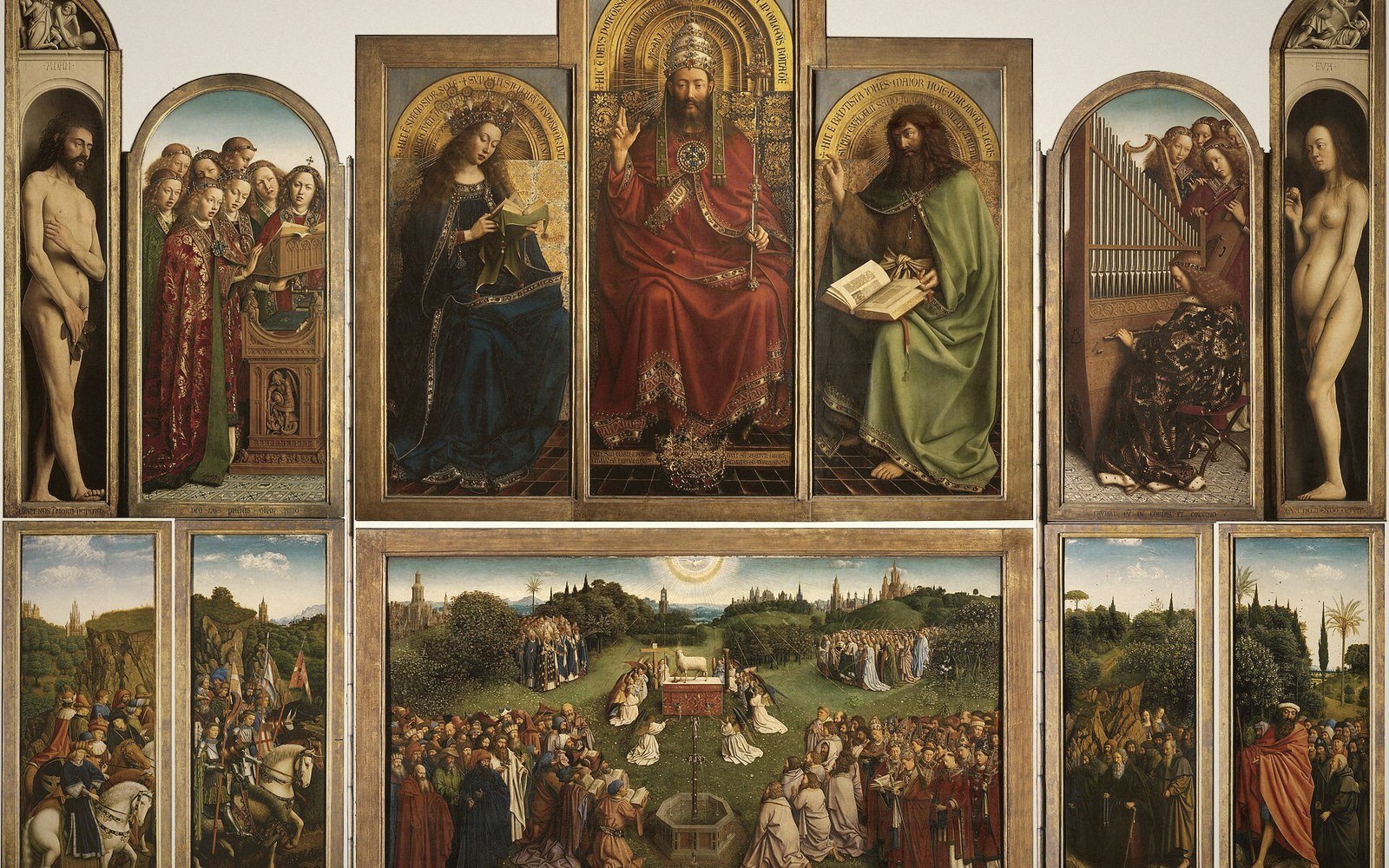
Twenty-four panels open, twelve closed. The lower outer panel in the frame is a copy made in the 1930s.
Photo: Lamgods open · Wikimedia Commons
Workshops, archives, and practices across Europe whose knowledge runs through the same ground this site covers.
 SLAYEDProves that refined taste runs deeper when shared between kindred souls.
 Nubile FilmsReads warmth the way a conservator reads light in old pigment.
 DFXtraBrings bold cross-cultural encounters, much like Europe's great exchange collections.
 Dare DormCollects raw, unguarded moments, preserved exactly as they happened.
 Disruptive Films
 Smashed XXX
 Footsie Babes
 Mom4K
Mom4K
 Anal4K
 BBCPie
 Pure Taboo
 Transfixed
When a mill becomes a gallery or a power station becomes a concert hall, every decision concentrates at the join between old fabric and new use.
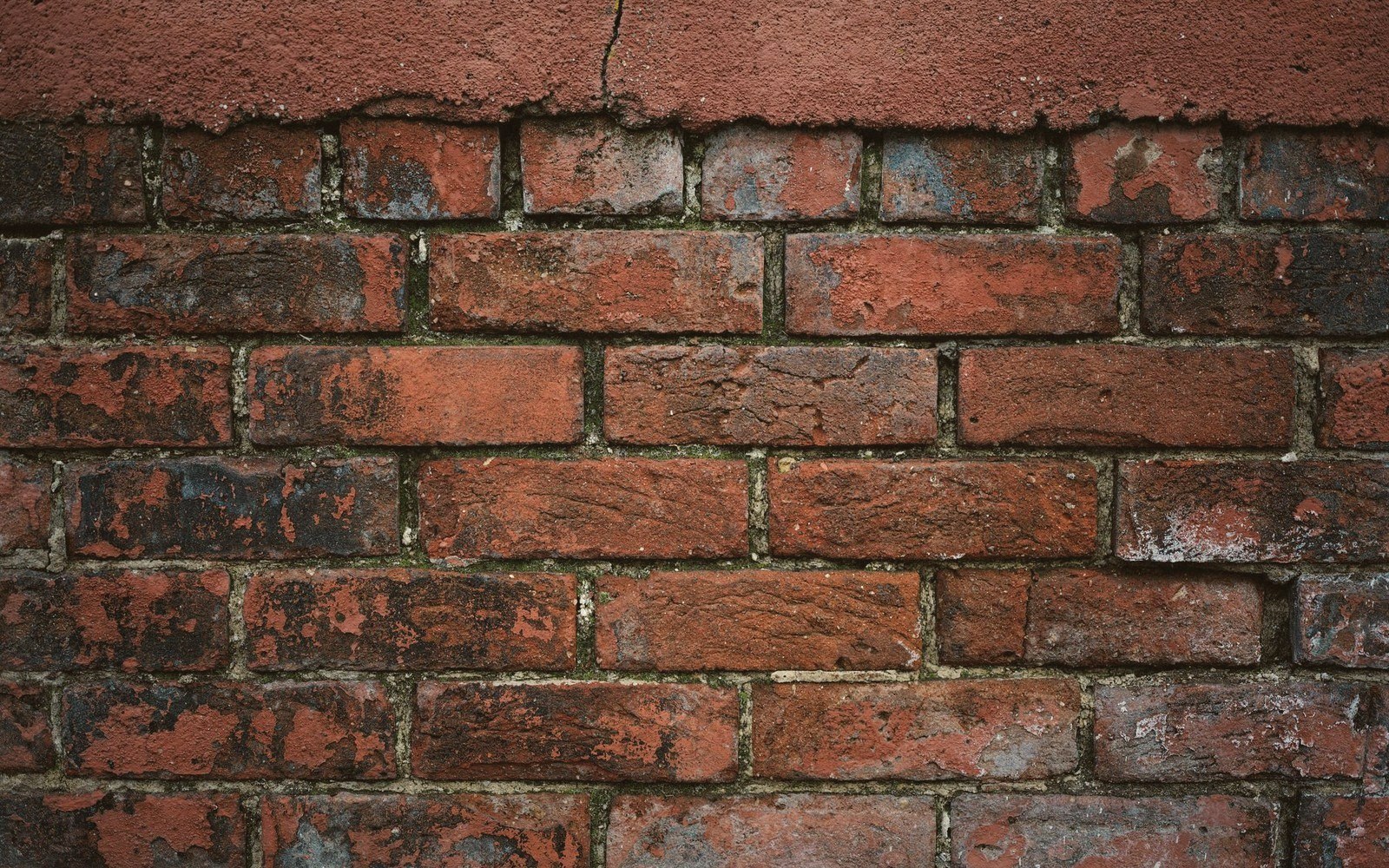
The single most common way a well-meant repair destroys the thing it was meant to save.
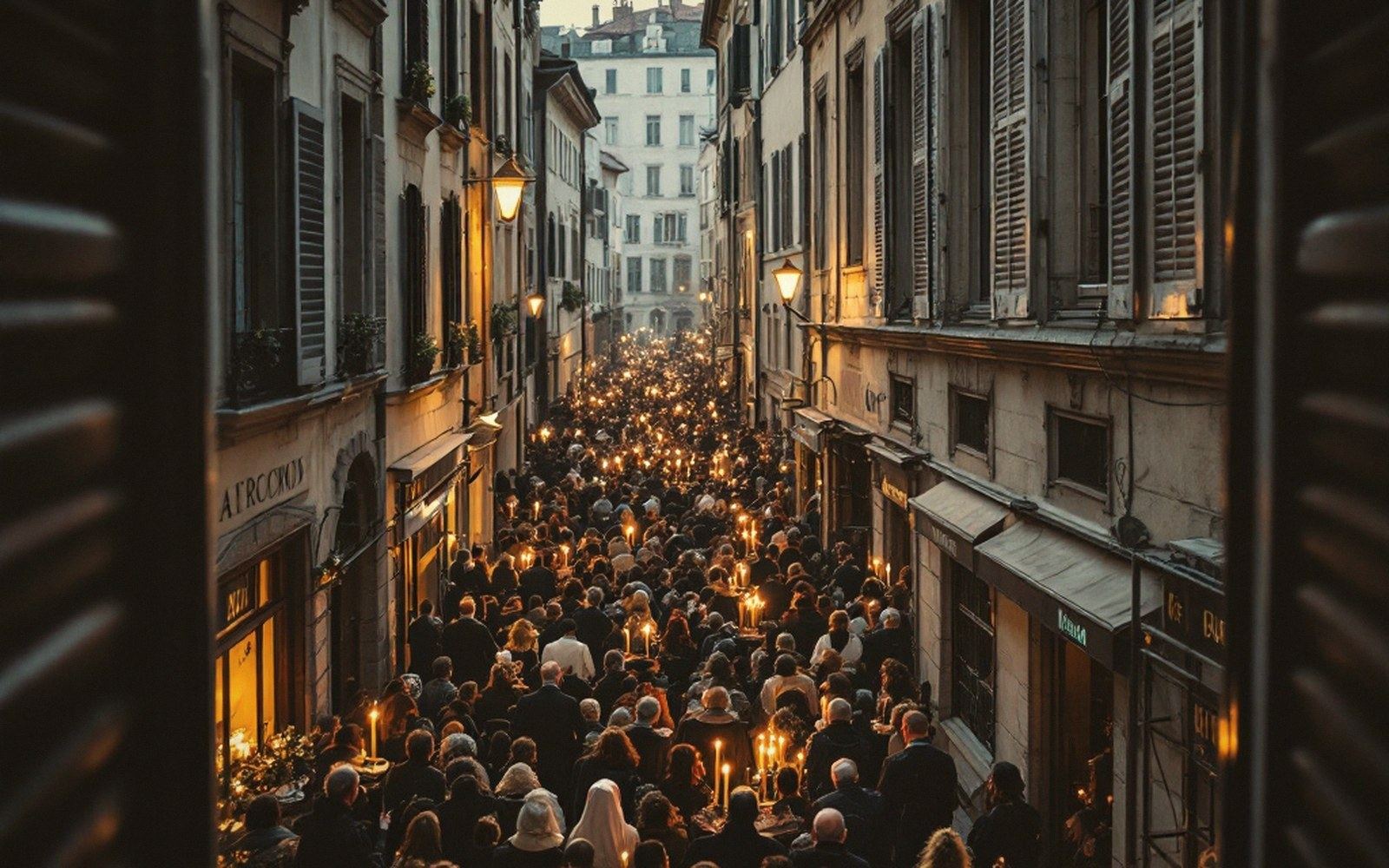
A route walked on the same year each year encodes something older than the feast it celebrates.
How an entry is written
Every entry names a thing and the place that holds it. Where the record is thin or contested, the entry says so instead of smoothing it over.
Church silver, reliquary caskets and enamel work grouped by material as much as meaning — and what that says about how collections formed.
A building without a roof is not a building in trouble. It is a building that has already lost.
The three agents that destroy collections — ranked by what they cost to fix. Light fades for good, damp warps and moulds, pests destroy fastest.
Protection registers exist nearly everywhere in Europe and mean something different in each.
Garments remade to the same pattern for generations carry technical and social knowledge that no written record holds.