What a collection is missing
The shape of the gaps
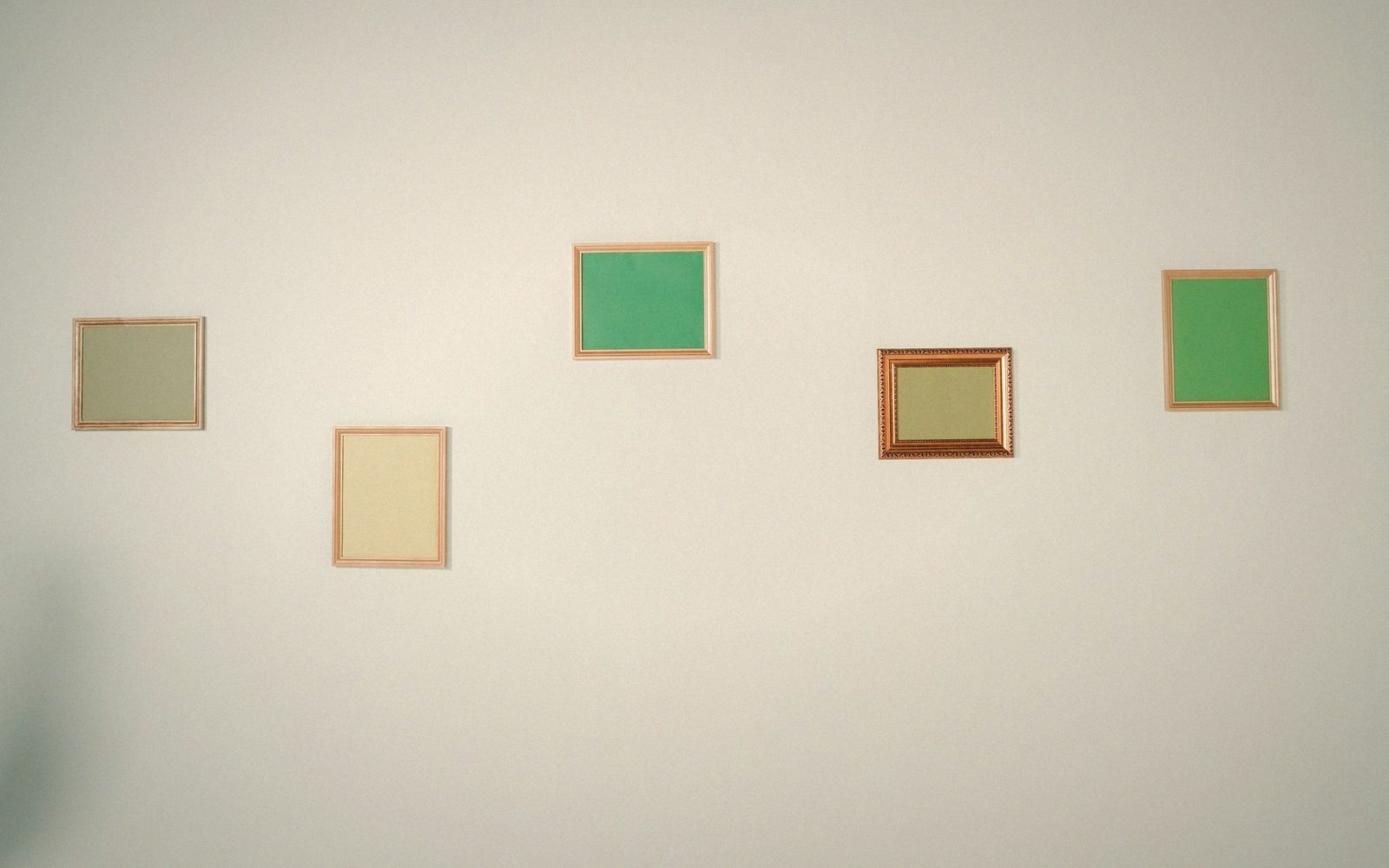
Empty frames are the honest form of a gap. Most collections record their absences only in the catalogue.
Photo: cottonbro studio / Pexels
Every collection is a record of decisions — and of the decisions that were never made, the offers refused, the categories no one thought to keep. Walk a museum's permanent galleries and you see what curators, donors and looters valued. Walk the store, or read the accessions register, and you start to see the outline of what isn't there.
The gaps are not random. They follow money, fashion and politics with predictable fidelity. European civic collections assembled in the nineteenth century share a structural bias toward large-format oil painting, classical antiquity and the decorative arts of the propertied classes. Everyday objects — agricultural tools, cheap printed textiles, vernacular ceramics — were almost never collected before the folk-museum movement of the 1890s, and even then only in a few countries. A gap in that section of a collection is not an accident; it is the residue of a value judgement made by people long dead.
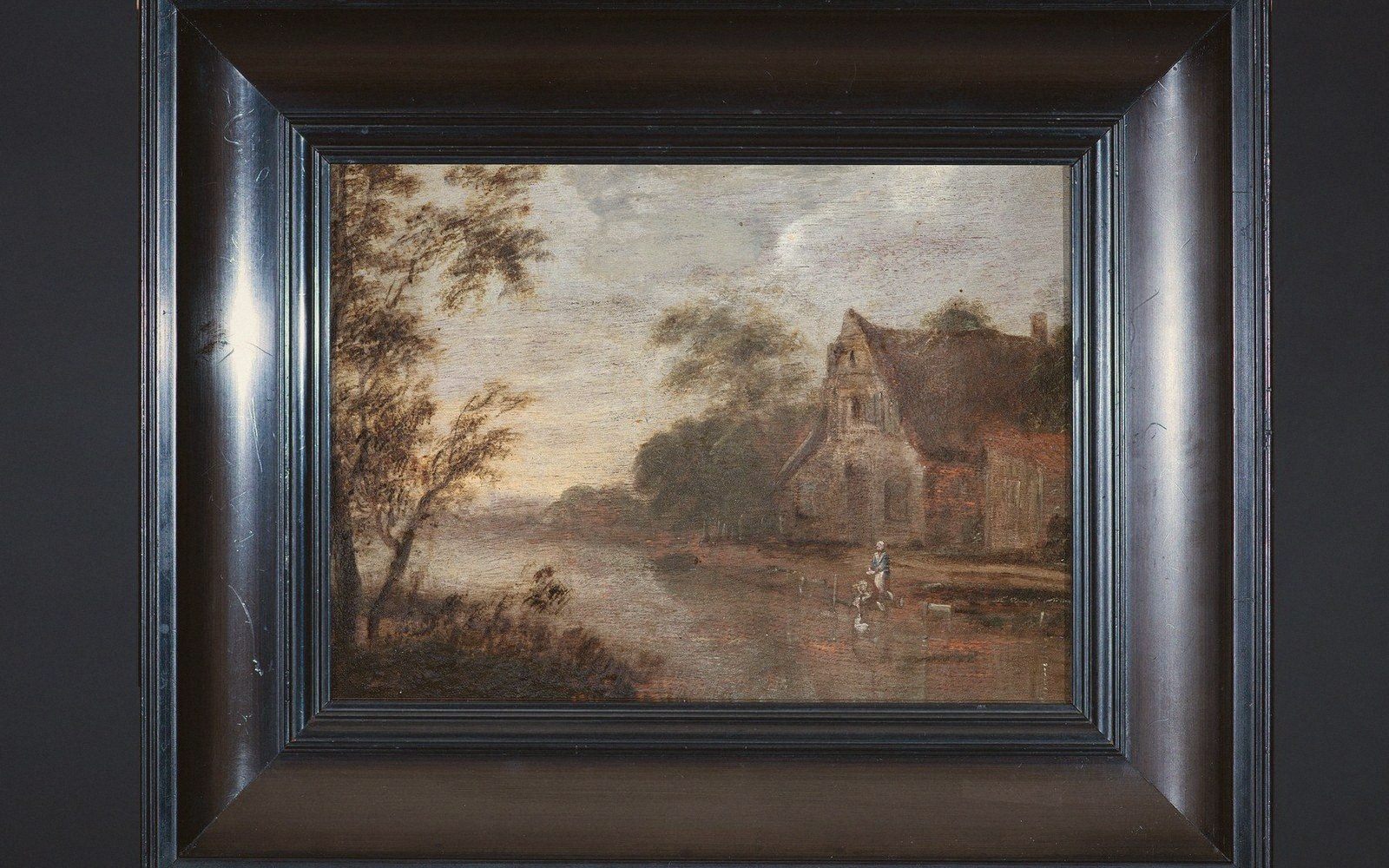
Raking light is the first examination made on any panel: it turns a flat surface into a topography of lifting, cupping and old fills.
Photo: Jan van Goyen – Country House by the Water – c. 1640–1650 – Oil on oak panel – Beatriz de Luna Art Collection · Wikimedia Commons
Looting, confiscation and wartime dispersal cut other shapes. Holdings assembled under colonial administrations carry objects whose removal was coerced or simply taken as given. Post-war restitution returned some of what was seized under National Socialism, but return rates vary sharply across Europe, and gaps left by politically motivated purges of collections — works sold off by cash-strapped revolutionary governments, or objects destroyed as ideologically unsuitable — are rarely advertised at all. A missing ledger entry or an unusually thin section of a catalogue can be the only surviving sign.
Condition shapes holdings too, in ways that compound older biases. Works on paper, textiles and organic materials were destroyed in greater numbers than oil on canvas or stone, partly because curators historically prioritised what lasted, and partly because storage rarely favoured fragile things. The art of the very poor — paper icons, hand-decorated domestic objects, festival costumes — survives only where someone thought in time to keep it.
The most candid collections now document absence directly: a gap on the register annotated with a provenance question, an empty catalogue entry noting that the work's whereabouts are unknown, a published list of objects under research for potential restitution. These are not admissions of failure but methodological honesty. A collection that knows its shape — including the negative space — is a more reliable instrument than one that presents only what it has as though that were the whole story.
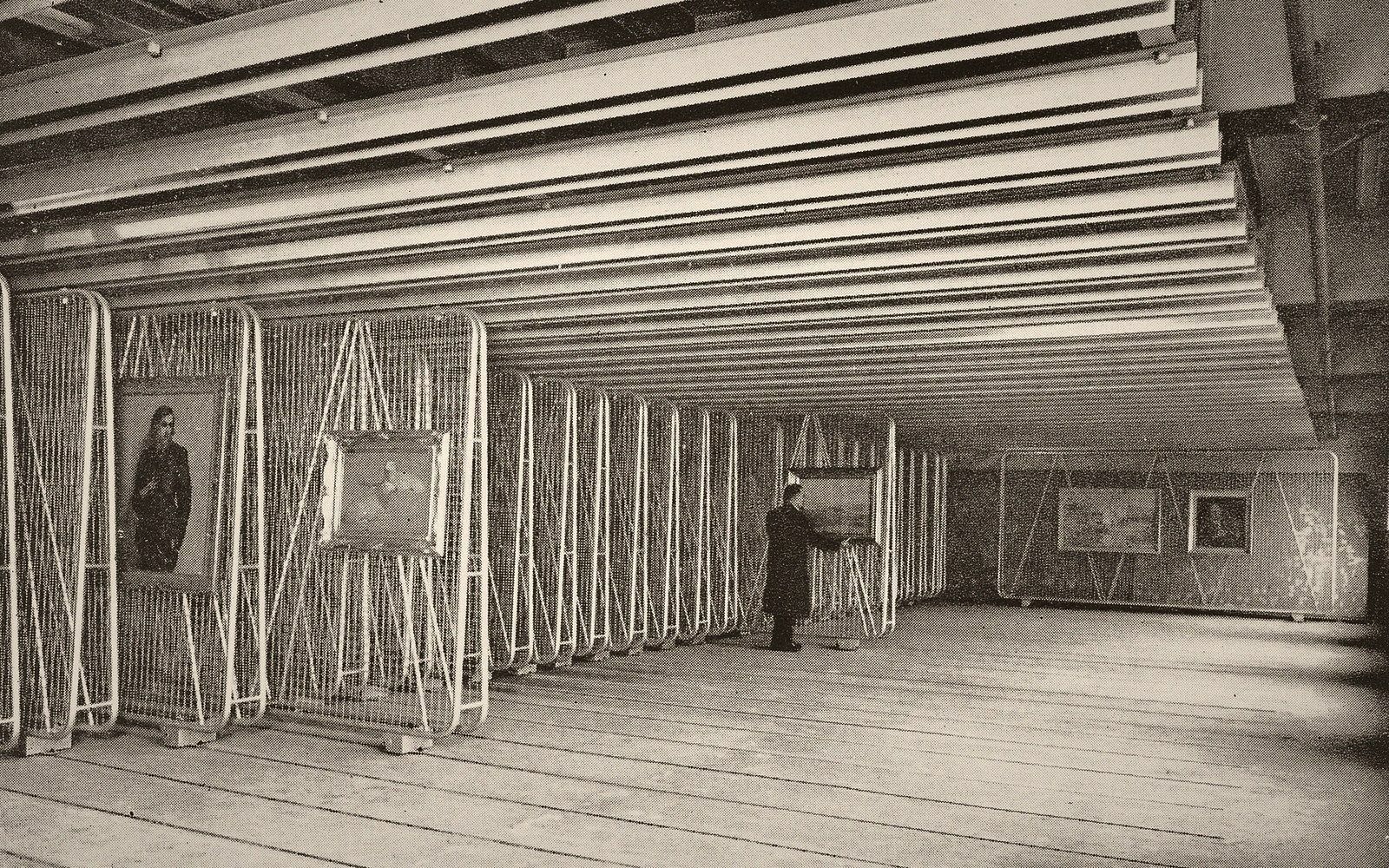
Most of a collection lives on racking like this. The room is designed around retrieval, not display.
Photo: Picture storage racks at the Walker Art Gallery, Liverpool. Wellcome M0015437 · Wikimedia Commons
Reading a collection against its gaps is one of the more demanding things scholarship asks of the record. It requires the accessions register, the correspondence, the deaccession files and occasionally the probate records of the families who did not donate. The object on the wall tells you what was kept. The archive sometimes tells you why everything else wasn't.
Filed in Collections